
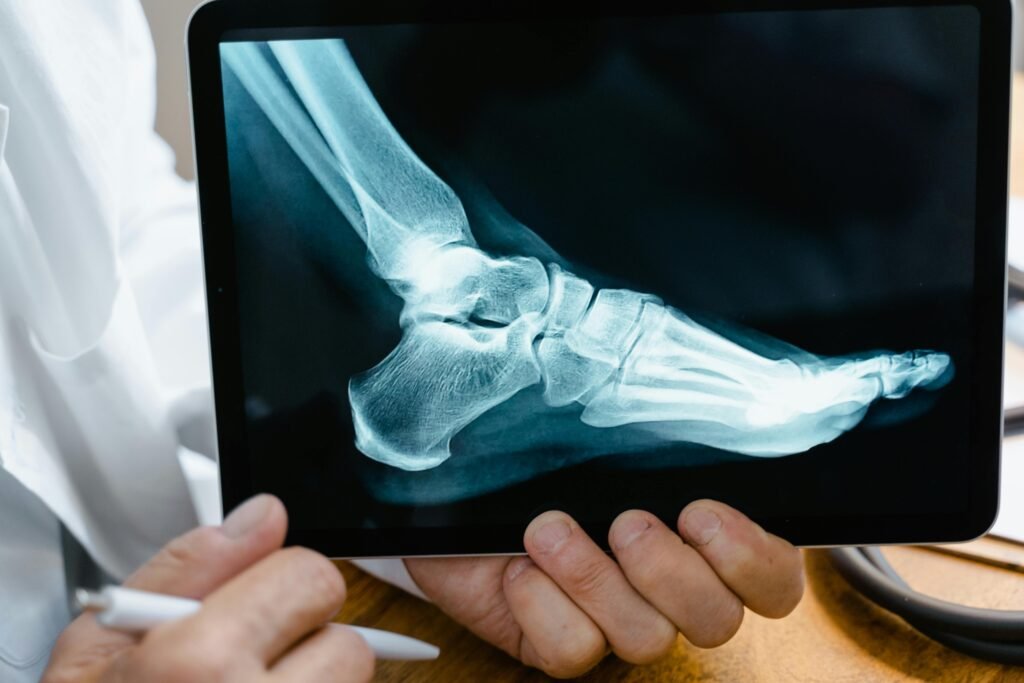
I see you are looking for the best way to hurt your characters. Again!
When writing injuries, it is always a good idea to understand how they can affect our characters both physically and mentally. With a bit of creativity, such changes can significantly impact our story, allowing us to convey more gripping and realistic scenes.
In this post, I brought up some of the most common injuries so we can take a closer look at them. They might be very useful when writing your first draft (or your 26th revision).
It is crucial to know that, depending on the severity of the injury, your character will not be able to go back to business in a matter of days or even weeks. Well, at least not back to normal. They may experience significant frustration, pain, and limitations that can shape their behavior.
This article will cover the following injuries:
- Cuts and lacerations;
- Gunshots;
- Stabbing;
- Burns;
- Sprains;
- Fractures;
- Concussions.
1. CUTS AND LACERATIONS
Healing Time:
Small cuts can take up to 3–7 days to heal; deeper cuts, which require stitches, may take 1–3 weeks. If the wound is infected, characters can experience severe pain, fever, chills, and excessive swelling.
What does it feel like?
Characters may feel an immediate sting when it happens, often followed by a throbbing or dull ache. If the cut is deep, the shock might numb the initial pain before a burning sensation sets in.
When describing the scene, you could add details such as the warmth of blood spreading, stickiness, or the metallic smell. There is also the sting, which worsens when the cut is exposed to air, water, or movement.
Ways it can impact our characters:
- If a fresh cut is strained, it might reopen easily. This inconvenience might distract your character in the middle of a fight, for example.
- In survival or adventure stories, characters may not have access to clean bandages or antibiotics. Therefore, the risk of infection increases, which can create tension and urgency in a scene. It’s a nice way to keep the reader wondering whether something bad is going to happen in the future.
- If you want to make the experience feel more real, try to add details such as flinching, bleeding onto clothes, or feeling a sharp sting when moving.
- A character with a deep cut will be distracted, in pain, and slowed down. Even small cuts (like paper cuts) can be annoyingly persistent, which could reveal a character’s personality when dealing with irritation or impatience. Always remember that even small injuries can tell us a lot about a character, depending on the way they react to it. Some of them may faint at the sight of their own blood, while others may feel a rush of adrenaline and fight harder.
- After a battle, a scar can become a permanent reminder of a mistake, betrayal, or survival. (I see a traumatic flashback on the horizon?). A character who keeps touching their scar in moments of stress is showing the reader how their past lingers not only physically, but emotionally as well.
- If we think about how small details can impact a scene, just imagine a spy trying to hack into a system while their finger won’t stop bleeding. When written in a good way, this builds up tension without the need of big explosions.
2. GUNSHOTS
Healing Time:
Superficial: It takes 2–3 weeks for skin and soft tissue to heal.
Deep, Organ-Involved: 6 weeks to several months, depending on the severity of each case and how it is being treated.
Severe / Multiple Wounds: Months to a year. Possible permanent damage or disability. Slow healing creates tension, emotional struggle, and physical limitations.
What does it feel like?
It may feel more like blunt force than a “hot burn” at first. Your character can describe it as being hit hard with a hammer or a punch, followed by a sharp pain that radiates through the affected region. The adrenaline usually delays pain.
A character will most likely feel shock, disorientation, a heaviness or weakness near the wound, and difficulty breathing (if the chest is hit).
Ways it can impact our characters:
- The first moments after being shot can be extremely chaotic. Your character may feel a rush of adrenaline (good for escapes), but the wound’s severity cannot be forgotten. It will usually require treatment, which can contribute to the pacing of your scenes in a more realistic way.
- Depending on where your character got shot, they will not be able to walk away normally. Some injuries can immobilize them, escalating tension.
- Even after all the action, bullets can leave permanent damage, such as nerve injury, mobility issues, or even organ damage. If you add some of these long-term consequences to your character’s life, avoiding the “miracle recovery”, readers can engage in a more realistic experience.
- Want to find a way to make your characters bond emotionally with each other? Certainly, your wounded character will need a little help to recover. Moments like this can create reliance, trust, or conflict amongst others.
3. STABBING
Healing Time:
Superficial Cut (no internal damage): 1–2 weeks. Wound closes, scabs fall off, minor scarring possible.
Deep Stab Wound (organs or major vessels affected): 4–8 weeks minimum; longer if complications like infection occur.
Severe Trauma (life-threatening): Several months. Risk of permanent damage, limited mobility, or chronic pain.
What does it feel like?
More like a deep, invasive pain. It feels sharp when the knife is going in, then your character might experience a spreading ache, burning, or tearing feeling. There is a pressure followed by sudden release, then an awareness of something “inside”. The pain worsens when the weapon is pulled out.
This injury is often followed by coldness, shock, and difficulty moving. Also, dizziness occurs if the blood loss is quick.
Ways it can impact our characters:
- Adrenaline often masks pain at first, allowing characters to continue fighting or fleeing. This is perfect for showing desperation and the “fight or flight” instinct.
- A stabbing leaves both physical and emotional scars. Fear, hypervigilance, or trauma can linger, affecting how a character interacts with people or approaches danger later.
- Dependence on allies for survival, secrecy about the wound, or guilt from the incident can create tension and deepen relationships.
4. BURNS
Healing Time:
First-Degree Burns (surface, like sunburn): 3–7 days. Redness, mild swelling, and tenderness fade quickly.
Second-Degree Burns (blisters, partial thickness): 2–3 weeks. Painful, risk of infection; skin may peel and scar slightly.
Third-Degree Burns (full thickness): Several months to years; often requires medical intervention like grafts. Permanent scarring is likely.
Even minor burns can limit movement and cause pain when using affected body parts, while severe burns may require long-term rehabilitation.
What does it feel like?
Burns are some of the most excruciating injuries ever. On a first-degree burn, there is an intense stinging; on a second-degree burn, we’ll see blisters, a throbbing pain, and raw flesh exposed; on a third-degree burn, your character will feel numb at first because the nerves are destroyed, and then deep aching around the edges.
You can describe it as a relentless pain that doesn’t fade. There is the feeling of the skin tightening and the agony of even air or cloth brushing against the injured area.
Ways it can impact our characters:
- Burns will often leave a scar. This can change how others perceive a character and how the character perceives themselves. They can become more guarded or bitter if they’ve been mocked or shunned for their appearance.
- By going through this experience, they can also become more empathetic toward others’ suffering.
- Even minor burns can impair daily function. A burn on the hand, for example, could make writing, fighting, or cooking nearly impossible. This could delay plans or force improvisation.
- Usually, burns are associated with guilt or trauma. A scar can be a constant reminder of a character’s failure or loss.
- In darker stories, burns can be inflicted intentionally in interrogations as a form of abuse or punishment. The detail of how a character reacts can make the difference between cliché and realism.
5. SPRAINS
Healing Time:
Mild Sprain: 2–4 weeks. Pain and swelling will reduce gradually. Initially, movement is limited.
Moderate Sprain: 4–6 weeks. The joint or muscle may remain unstable, requiring rehab.
Severe / Torn Ligament: 3–6 months. In this case, surgery may be needed.
What does it feel like?
Your character will feel a sharp snap of pain at the moment of twisting, followed by throbbing pain and a lot of swelling. The injury feels unstable, tender, and extremely painful to put weight on. You can describe the scene by giving attention to the immediate tearing sensation, adding the weakness when trying to move.
Ways it can impact our characters:
- A sprained ankle might not sound dramatic, but in a chase scene, it could mean life or death. Imagine the tension!
- A sprain forces rest. Therefore, characters who hate being still, like rebels, fighters, or restless adventurers, might go crazy with boredom, giving you space to explore their minds.
- This injury can slow down your character to the point that they can’t keep up with people. Even small things like uneven ground or going up stairs will become a struggle.
- While on a mission, your character might become a burden to others who don’t sympathize with them, creating conflict.
- Psychologically, your character might even feel embarrassed for being in this vulnerable position. If they used to be confident about their physical skills, a sprain can bring a lot of insecurities.
6. FRACTURES
Healing Time:
Simple Fracture (arm, leg): 6–8 weeks for basic healing, but full strength may take longer.
Complex Fracture (multiple breaks, displaced bone): 3–6 months or more. Almost certain that your character will need surgery and physiotherapy. If the story is set in medieval times, good luck to them. The consequences of this physical trauma might stick around forever, limiting their performance and causing chronic pain.
What does it feel like?
I can tell you from my own experience that it is extremely painful and will certainly leave your characters disabled for a long time. There is a sudden, sharp, deep pain, as if something snapped or cracked inside. When moving, it feels like someone is stabbing you; when still, you experience a dull ache around that area.
In order to write this scene, you can add details such as the crunch or snap sound that comes right after your character breaks their bone, the inability to bear weight, the deformity, and swelling around the affected area. Depending on the person or on the severity of the injury, they might even feel nauseous from shock.
Ways it can impact our characters:
- A fracture can keep a character out of action for months, forcing them to rely on others. This can create interesting relationship dynamics in your story. A character who hates asking for help, for example, may have no choice.
- Some characters might ignore medical advice and keep fighting or working despite the injury, worsening their condition, but showcasing their stubbornness or desperation.
- A broken leg/ankle/knee/hip means immobility for several weeks. Every day becomes a real struggle. This might make your character be more in their heads for some time.
- Imagine a thief with a broken rib sneaking through a window. Every breath hurts, every movement risks giving them away. This is the kind of detail that can leave the readers fully immersed in that moment.
7. CONCUSSIONS
Healing Time:
Mild Concussion: 1–2 weeks. Symptoms like dizziness, headaches, and cognitive fog typically improve gradually.
Moderate Concussion: 3–4 weeks or longer. Confusion, memory gaps, nausea, and sensitivity to light or sound may persist.
Severe Concussion: Months. Long-term symptoms may include balance issues, memory problems, or personality changes.
What does it feel like?
Your character might not feel immediate pain. However, ringing ears, dizziness, confusion, and nausea are very common. Delayed pain comes as a throbbing headache, with a sensation of pressure inside the skull, along with sensitivity to light and sound. Your character may feel disconnected as the world spins around them, see black spots in their vision, have sluggish thoughts, and delayed speech.
Ways it can impact our characters:
- After a concussion, your character may experience memory gaps, dizziness, and confusion, which can make them misinterpret events. Temporary amnesia or memory confusion can serve as a way to hide information from both the character and the reader. In a crime novel, for example, a character might forget key details from the scene of a crime, or misremember events, leading to false accusations. You can play with this as a narrative tool, but be careful not to overdo it and make your reader confused as well.
- If a character hits their head extremely hard, they shouldn’t be rushing back into battle, but if they do, it can be reckless and risky.
- Light sensitivity, nausea, or headaches can stretch tension long after the accident happened. Add these details to later scenes. I am sure they will make your story more believable.
Conclusion
Writing scenes in which your characters are injured can be a way to show your readers more about their personalities and struggles. Injuries are able to impact the plot, build relationships amongst characters, and add details that can make the reading experience more enjoyable and realistic. Therefore, if you want to create richer and more emotionally compelling scenes, don’t forget to always do some research. It can inspire you more than you’d expect.
I hope this article helps you in your writing! 🙂